A few weeks ago, I had the pleasure of sitting down with Craig and Gareth at Substrate Radio’s Sleep-In Cinema Podcast. I’ve always been a fan of film and of Stephen King adaptations.
When I sat down to write Pocket Full of Teeth, I didn’t know how deeply the work of Stephen King—specifically his film adaptations—had seeped into my creative process. His stories, translated to the screen, shaped my understanding of tension, atmosphere, and how horror can be so much more than simple scares. They became the blueprint for how to unearth the dark undercurrents of small-town life in my own southern gothic debut.
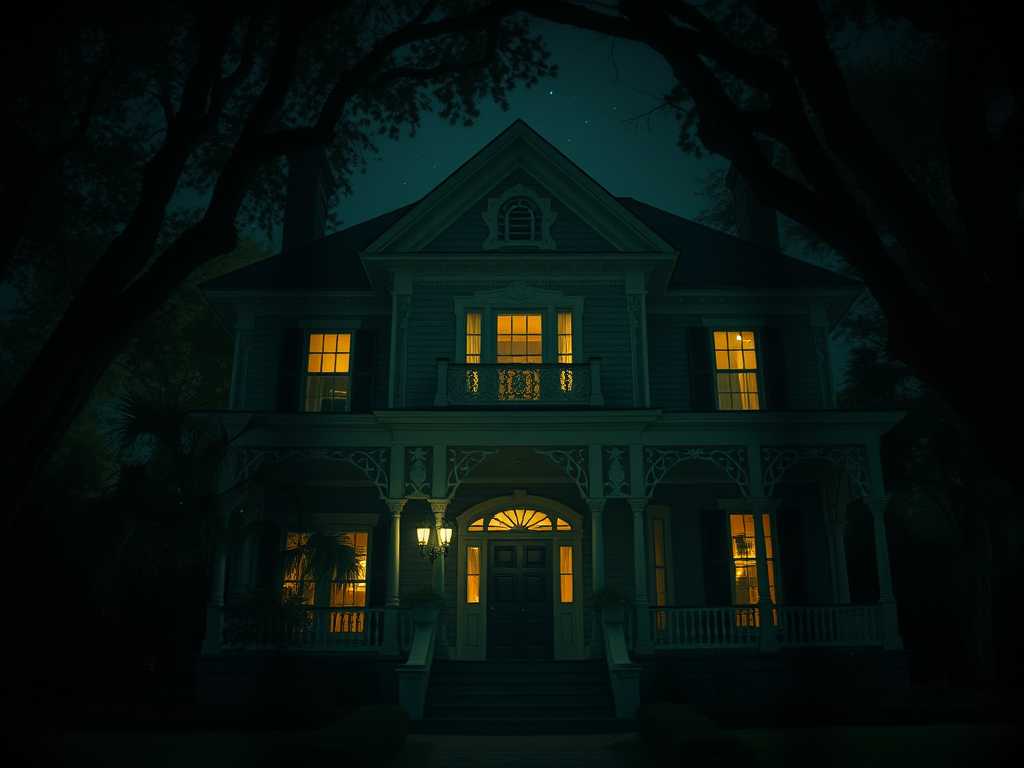
Stephen King’s Cinematic Influence
From Carrie to The Shining, King’s adaptations showed me that horror can have emotional depth and human complexity. It’s not just about the supernatural—it’s about the fears that linger within the mundane. In Pocket Full of Teeth, I wanted to evoke a similar feeling, where the line between everyday life and the uncanny blurs.
King’s It is a prime example of how childhood fears and adult trauma can intertwine, something that profoundly influenced my approach. The way King’s film adaptations handle layered storytelling—interweaving past and present—helped me shape my protagonist’s journey. The decay and unease that infect Derry, Maine, inspired the creeping sense of dread I wanted to capture in my fictional southern town.
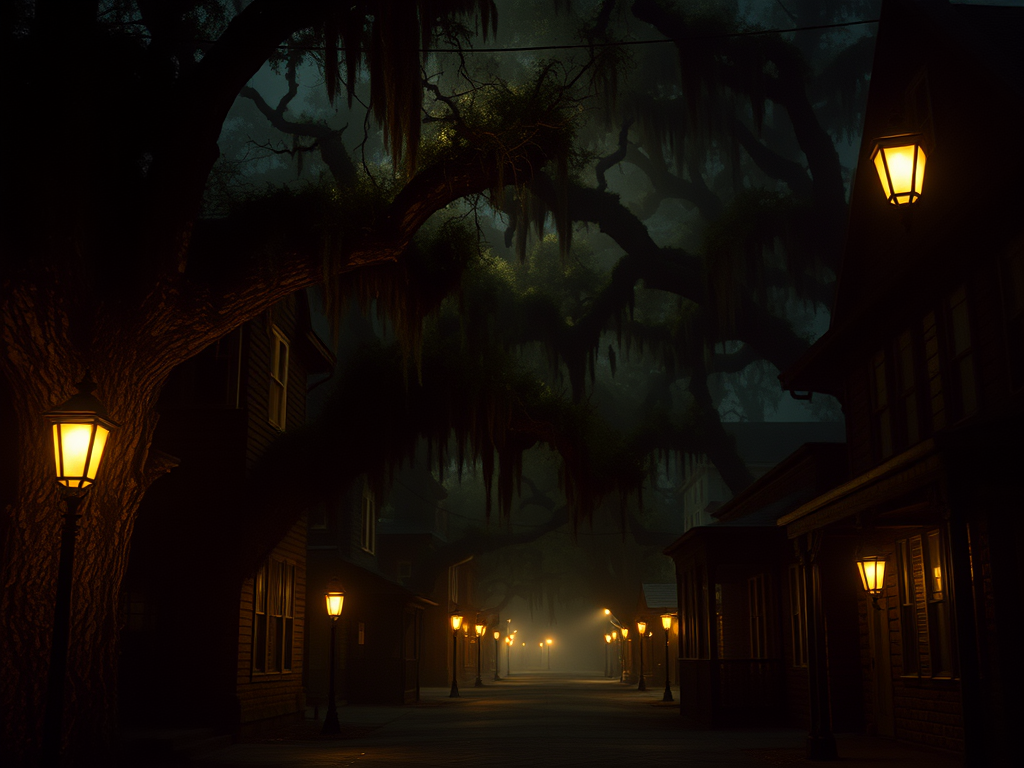
Building Atmosphere Through Place
In films like The Shining, the setting itself becomes a character. The Overlook Hotel’s haunting isolation, brought to life so vividly on screen, pushed me to develop the suffocating atmosphere in Pocket Full of Teeth. While my novel’s world is steeped in southern gothic, the same principle applies—the small town’s shadowy streets and crumbling homes are as important as any character. They bear witness to hidden secrets and past sins.
Watching the mist swirl around the halls of King’s haunted spaces made me realize that atmosphere is the backbone of horror. In my novel, I wanted every corner of the town to hum with tension, each street and home telling a story of its own.

Humanity at the Heart of Horror
What strikes me about Stephen King’s adaptations is how human his characters remain, even in the most monstrous circumstances. Films like Misery and The Green Mile deal with very real human emotions—obsession, love, and justice—against eerie backdrops. For me, this blend of emotional weight with a creeping sense of horror became essential in crafting my novel.
In Pocket Full of Teeth, I didn’t want to write a horror story that existed only to scare—I wanted to explore what fear does to people. How it shapes relationships, decisions, and the stories we tell ourselves. King’s ability to capture the human heart within horrific scenarios made me rethink how I approached the humanity of my own characters. They’re flawed, scared, and sometimes complicit in their own nightmares.

Bringing It All Together
Stephen King’s adaptations, with their layered narratives, deep characters, and suffocating atmospheres, were a roadmap for Pocket Full of Teeth. They taught me that horror is not just about shock value—it’s about unearthing the darker sides of humanity, the hidden fears, and the things we can’t escape.
With Pocket Full of Teeth, I set out to tell a southern gothic tale that echoes the emotional depth and creeping dread of King’s best film adaptations. Though the world and characters are my own, the lessons learned from watching his stories unfold on screen were invaluable in shaping the novel’s core.
If you’ve ever watched a Stephen King adaptation and found yourself on the edge of your seat—both terrified and deeply invested in the characters’ fates—then you’ll recognize those influences in my novel. Pocket Full of Teeth is, in many ways, a love letter to the complex, unsettling world of King’s cinema.
Check out the podcast episode HERE to see how Dolores Claiborne inspired my work and make sure you order your copy of Pocket Full of Teeth.
