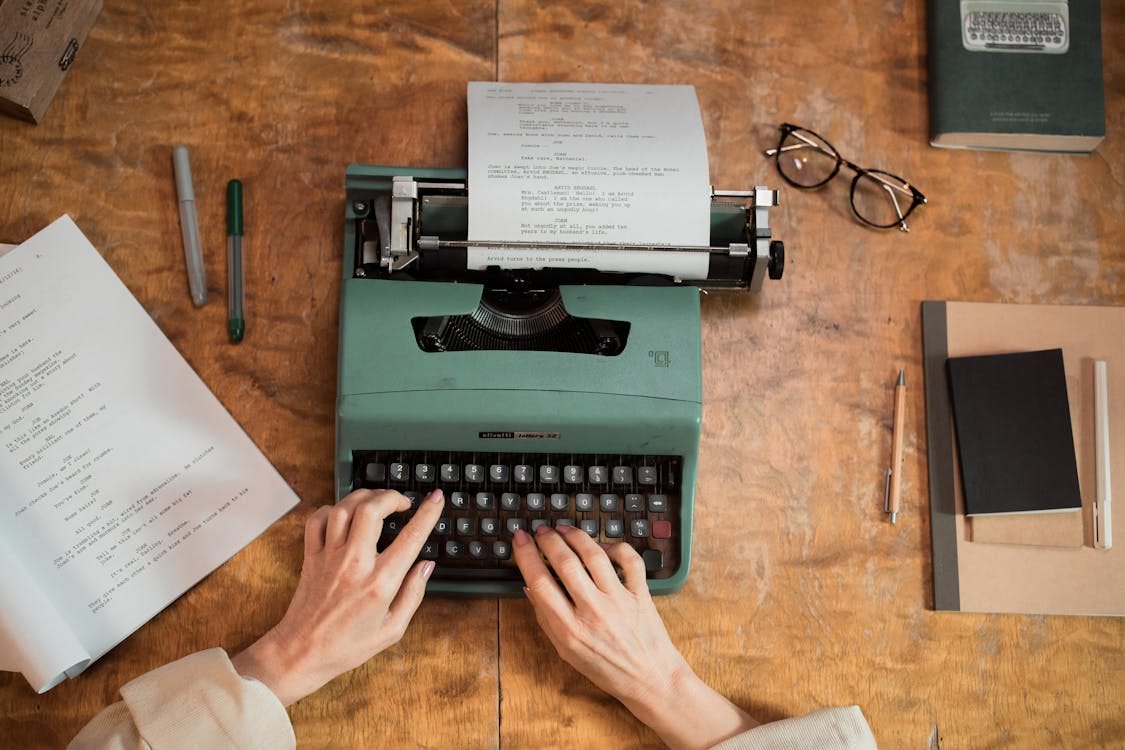
The Gentle Curriculum

How to design a gentle curriculum when social media pressures us to maximize our self-improvement.

I’ve always been a school nerd. I’ve loved the feel of new blank notebooks and the smell of freshly sharpened pencils. I love the excitement of starting something new and working hard to perfect skills I didn’t know I could have. Since I’m an adult now, however, I’ve missed the feeling of the start of school and learning about new topics and have always secretly been yearning for an excuse to dive deep, research like a madwoman, and scribble down my thoughts like the fleeting whisps that they are. 

Cue the TikTok influencer trend of creating fall curricula. 

Thanks for reading! Subscribe for free to receive new posts and support my work.

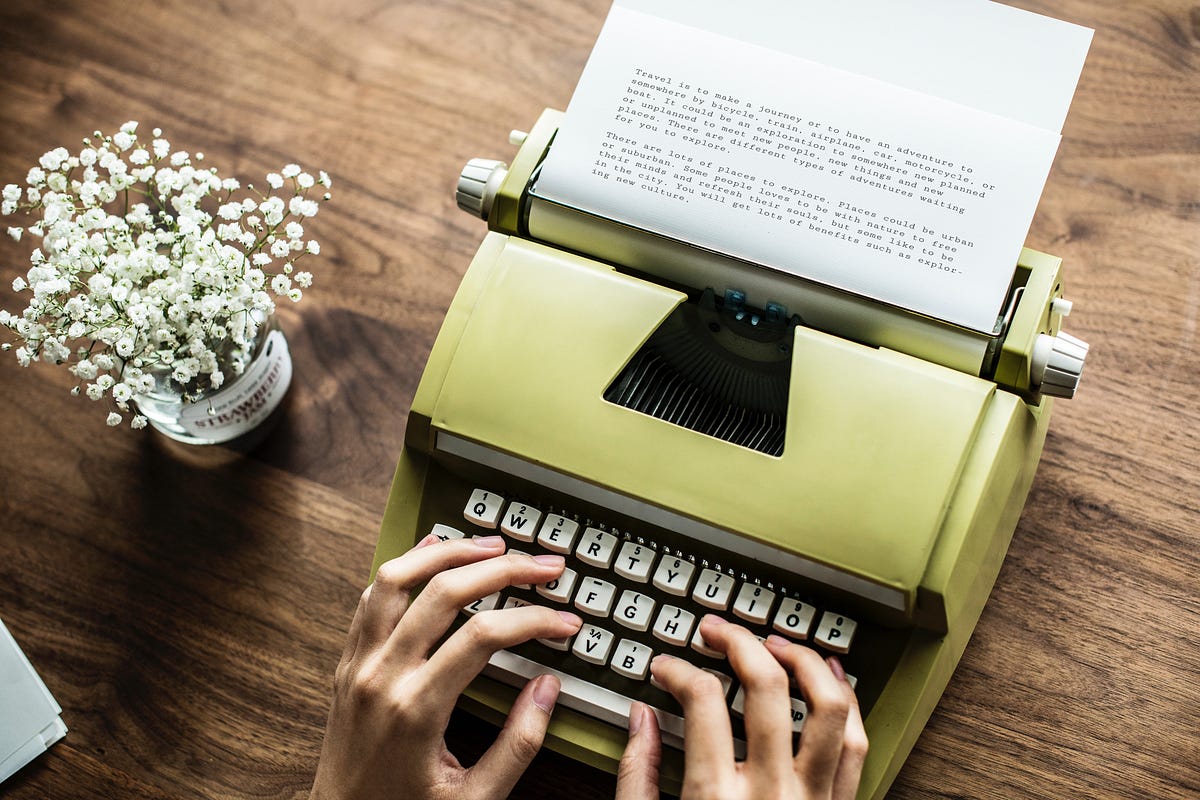
MacBook Pro near white open book

Sure, these curricula seem interesting. They’re filled with reading lists and diverse topics (everything from political science to music theory), but I found many of them little more than glorified reading lists. 

There’s nothing wrong with a reading list. I have a whole stack of unread books on my TBR pile by the bed, but when it comes to designing curricula, we have to consider not only what we are consuming, but also how we might add to the conversation. 

For example, if I want to learn about feminism in American literature, I know I need to read the classics (The Bell Jar, A Room of One’s Own, Little Women, The Color Purple). There are also tons of articles written about the subject that I could read for context and analysis, but for a true curriculum to work, I need to be able to analyze and synthesize my own materials. There needs to be some level of output to show my level of understanding. 

pile of books on brown wooden surface

As my “final exam,” I need to be able to show that I fully grasp concepts of my topic, understand the context of my topic, and also have something original to contribute to the conversation. Here are a few ways I could show competency: 

  • Article: Articles are typically informative pieces that are objective and based on facts. Their purpose is to break down complex topics in order to “teach” something new. This could be done in written form or through long-form video or social media posts to inform a selected audience. 
  • Critical Essay: Essays are academic works that present an argument or analysis, using evidence to support their claims. Again, this can be written as an essay or turned into a long-form video or social media posts to persuade a particular audience. 
  • Original Written Work: Creative writing is also a legitimate way to show understanding of a particular concept while building upon the ideas and traditions of their predecessors. A poem or short story inspired by the novel Beloved by Toni Morrison could highlight various ways our society still upholds harmful ideologies. 
  • Other Creative Media: Creative works don’t have to stop at writing. They can expand to art, film, acting, photography, and other forms! 

To effectively plan my fall curricula, I started with my output first. I knew I wanted to start writing articles again, so I planned a reading list and smaller assignments (such as reflections and check-ins) to help guide me along the way. And yet, I still felt overwhelmed. Wasn’t I consuming enough media? Wasn’t my TBR a frightening height already? How could I fit more into this framework? 

white and blue printer paper

That’s when I decided to try a gentle curriculum. 

I knew I was consistently reading things that I liked. I read a new book every week or two and read several articles a day, so why didn’t I just use what I was already consuming to make personal connections, practice synthesizing the information, and write engaging articles about how these topics affect us every day? 

So, this is my call to you, dear reader. You’re doing enough. You’re reading enough. You’re achieving enough. Your life is maximized beyond what anyone has asked for, and if you’re looking to have a “productive” fall, let go of the pressure to design a whole curriculum filled with books that will guilt you until you read them and suggest that you’re a failure if you don’t get around to it. Instead, pause to take a minute to connect with the things that already exist naturally: the sunset after a long day, the conversation you have with a friend over dinner, the rant your partner gives after watching the season finale of Severance. These are the moments that should pack your “reading list,” and they are the ones we should document like our lives depend on it… because they do. These small things are the ones that really matter. They are the essence that makes us human. They are the things that always make us feel a little less alone.

Article originally posted on Substack.
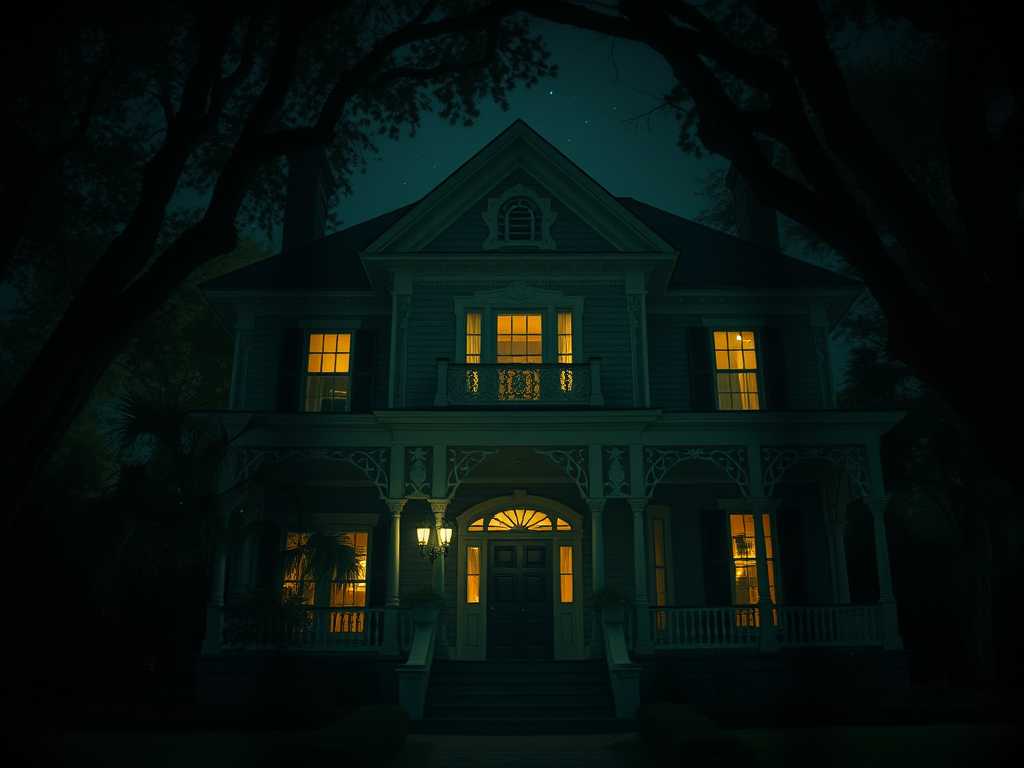
Sleep-In Cinema Podcast

A few weeks ago, I had the pleasure of sitting down with Craig and Gareth at Substrate Radio’s Sleep-In Cinema Podcast. I’ve always been a fan of film and of Stephen King adaptations.

When I sat down to write Pocket Full of Teeth, I didn’t know how deeply the work of Stephen King—specifically his film adaptations—had seeped into my creative process. His stories, translated to the screen, shaped my understanding of tension, atmosphere, and how horror can be so much more than simple scares. They became the blueprint for how to unearth the dark undercurrents of small-town life in my own southern gothic debut.

Stephen King’s Cinematic Influence

From Carrie to The Shining, King’s adaptations showed me that horror can have emotional depth and human complexity. It’s not just about the supernatural—it’s about the fears that linger within the mundane. In Pocket Full of Teeth, I wanted to evoke a similar feeling, where the line between everyday life and the uncanny blurs.

King’s It is a prime example of how childhood fears and adult trauma can intertwine, something that profoundly influenced my approach. The way King’s film adaptations handle layered storytelling—interweaving past and present—helped me shape my protagonist’s journey. The decay and unease that infect Derry, Maine, inspired the creeping sense of dread I wanted to capture in my fictional southern town.

Building Atmosphere Through Place

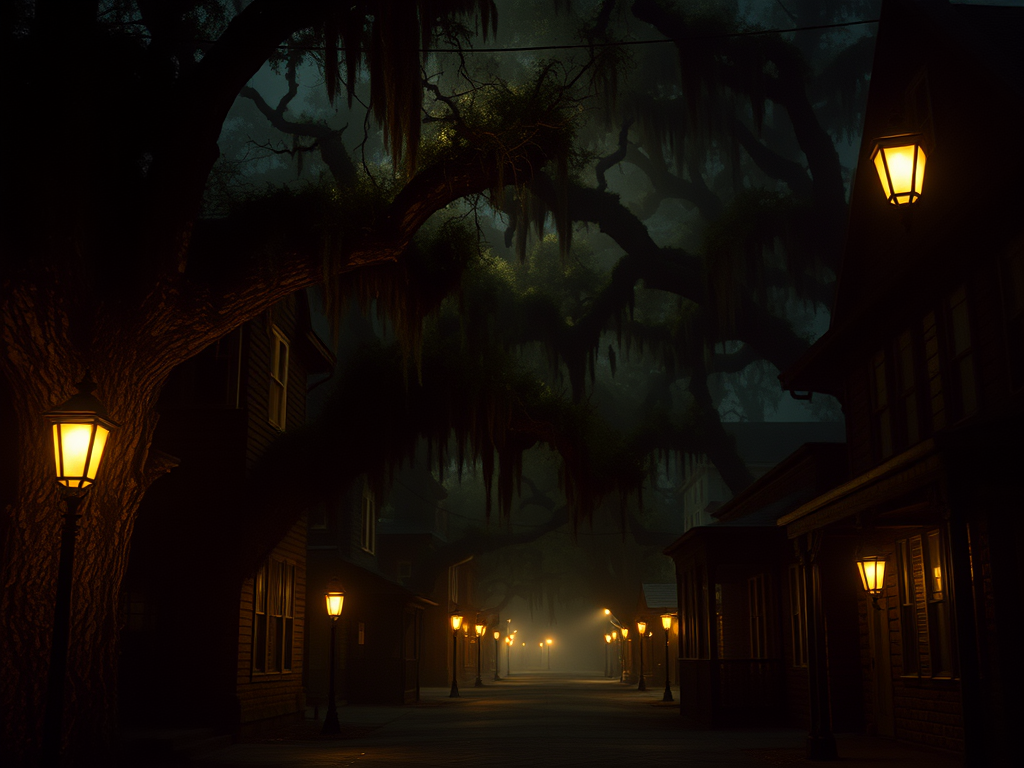
In films like The Shining, the setting itself becomes a character. The Overlook Hotel’s haunting isolation, brought to life so vividly on screen, pushed me to develop the suffocating atmosphere in Pocket Full of Teeth. While my novel’s world is steeped in southern gothic, the same principle applies—the small town’s shadowy streets and crumbling homes are as important as any character. They bear witness to hidden secrets and past sins.

Watching the mist swirl around the halls of King’s haunted spaces made me realize that atmosphere is the backbone of horror. In my novel, I wanted every corner of the town to hum with tension, each street and home telling a story of its own.

Humanity at the Heart of Horror

What strikes me about Stephen King’s adaptations is how human his characters remain, even in the most monstrous circumstances. Films like Misery and The Green Mile deal with very real human emotions—obsession, love, and justice—against eerie backdrops. For me, this blend of emotional weight with a creeping sense of horror became essential in crafting my novel.

In Pocket Full of Teeth, I didn’t want to write a horror story that existed only to scare—I wanted to explore what fear does to people. How it shapes relationships, decisions, and the stories we tell ourselves. King’s ability to capture the human heart within horrific scenarios made me rethink how I approached the humanity of my own characters. They’re flawed, scared, and sometimes complicit in their own nightmares.

Bringing It All Together

Stephen King’s adaptations, with their layered narratives, deep characters, and suffocating atmospheres, were a roadmap for Pocket Full of Teeth. They taught me that horror is not just about shock value—it’s about unearthing the darker sides of humanity, the hidden fears, and the things we can’t escape.

With Pocket Full of Teeth, I set out to tell a southern gothic tale that echoes the emotional depth and creeping dread of King’s best film adaptations. Though the world and characters are my own, the lessons learned from watching his stories unfold on screen were invaluable in shaping the novel’s core.

If you’ve ever watched a Stephen King adaptation and found yourself on the edge of your seat—both terrified and deeply invested in the characters’ fates—then you’ll recognize those influences in my novel. Pocket Full of Teeth is, in many ways, a love letter to the complex, unsettling world of King’s cinema.

Check out the podcast episode HERE to see how Dolores Claiborne inspired my work and make sure you order your copy of Pocket Full of Teeth.

Alabama Writer’s Cooperative 2024 Conference

I was so happy to attend the Alabama Writer’s Cooperative 2024 Conference this weekend, which took place in Orange Beach, AL.

I had just gotten done with my interview with Katherine Page from ABC 33/40’s Talk of Alabama (you can check out the interview HERE), and drove down to Orange Beach to attend the conference. It was a rainy, gray weekend at the beach–but somehow seemed appropriate since we would be spending the weekend working on the craft of writing.

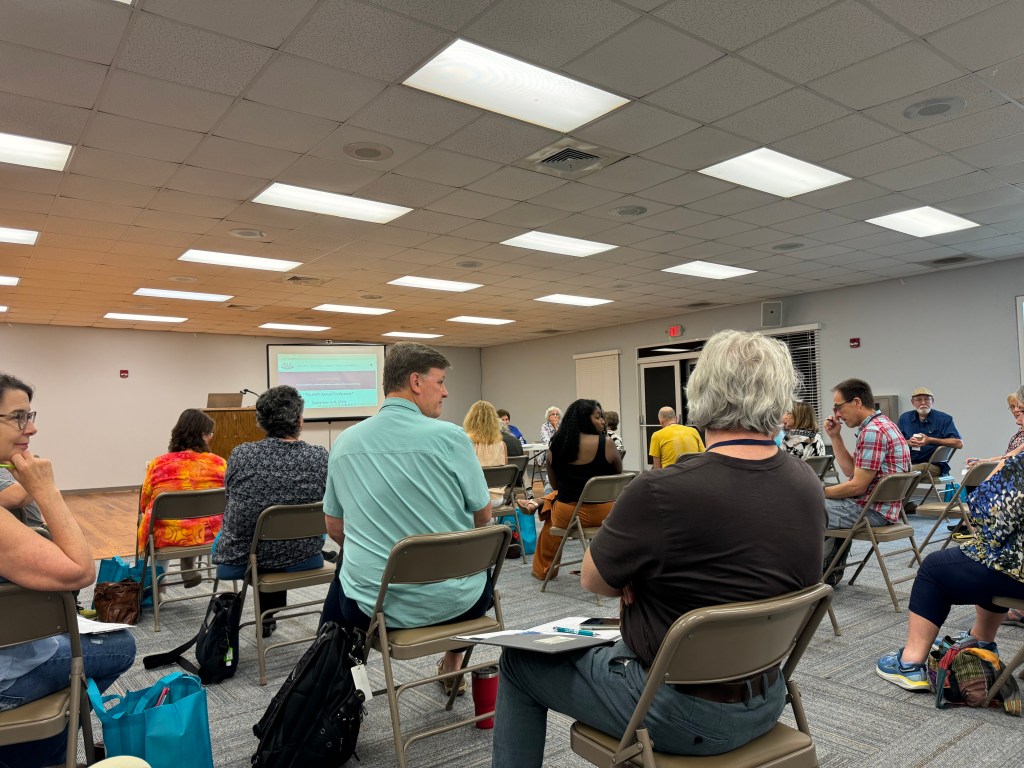
I had the pleasure of meeting some of Alabama’s best writers and really enjoyed getting to know their stories. When I hosted a critique of a few selected first pages from the attendees, I could really see their talent shine through. Most of them had original voices that made me want to immediately ask for more pages, and other writers dove into their stories without hesitation (we had a funeral, an incoming hurricane, and even a writers sitting down to write something original–how meta!).

Saturday’s Awards Dinner was amazing. We had a wonderful meal, listened to an inspiring speech from Javacia Harris Bowser, and celebrated our contest winners.

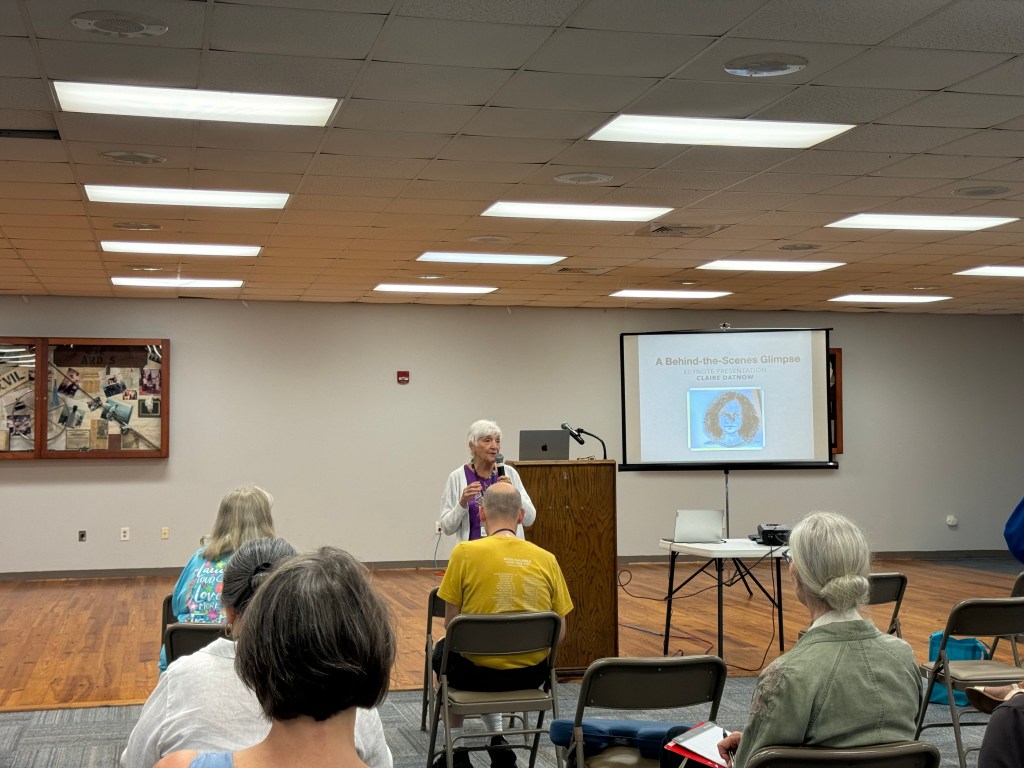
On Sunday, we wrapped up presentations with a bang! I presented how I made the “leap” from writing poetry and short stories to my novel, Pocket Full of Teeth. I took the attendees through idea generation with poetry, a possible answer to our poetry questions with short stories, and the mess and beauty of how to stretch to a longer work like a novel. You can check out the presentation HERE.

Although this weekend was a whirlwind of inspiration, new people, and new ideas, it was affirming to be reminded that we are all a part of the writing community. Writing can feel isolating at times (just you and the computer), but it really is a collaborative process where we are part of a larger community. And we are not alone.

All that to say I really had a blast at AWC and can’t wait until our next event! Stay tuned!

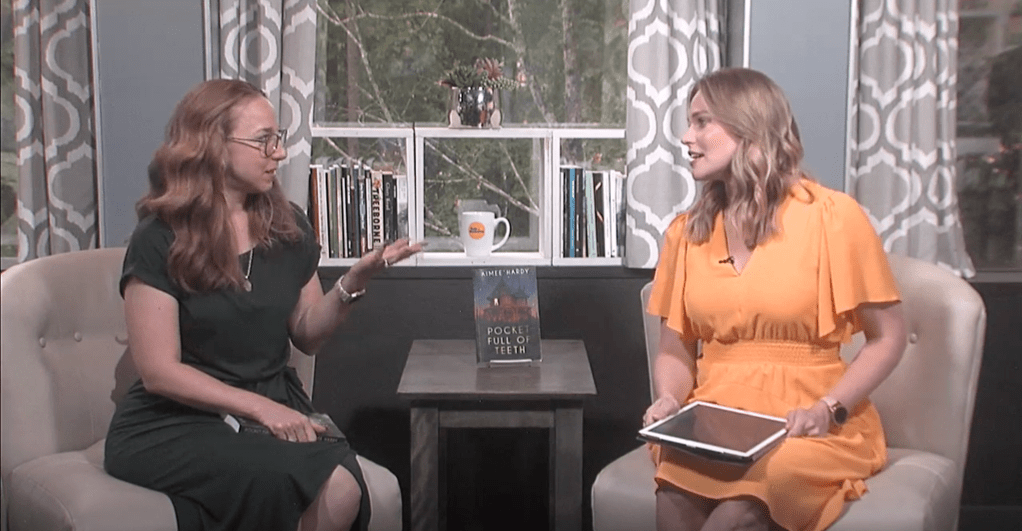
Interview with Katherine Page on ABC 33/40 Talk of Alabama

I had so much fun sitting down with Katherine Page to talk about Pocket Full of Teeth on ABC 33/40’s Talk of Alabama.

I love talking about how this book came to be and am so excited that it will be out just in time for spooky season. You can watch the interview HERE.

Also, I’m planning some big things in the coming months. Here’s a list of the dates and times to keep on your radar:

Sleep in Cinema Podcast (Substrate Radio)–Sep. 14 @9am

Book Signing @ Douglasville Books (Douglasville, GA)–Sep. 21 from 2pm-5pm

Howler Arts and Literary Festival (Montgomery, AL)–Oct 5 from 9am-3pm

Book Signing @ Thank You Books (Birmingham, AL)–Oct. 6 from 2pm-4pm

Book Signing @ The Burrow (Leeds, AL)–Oct. 12 from 5pm-7pm

Horror Reader Weekend (NY)–Nov. 1–3

Stay tuned for more!

Character Photoshoots

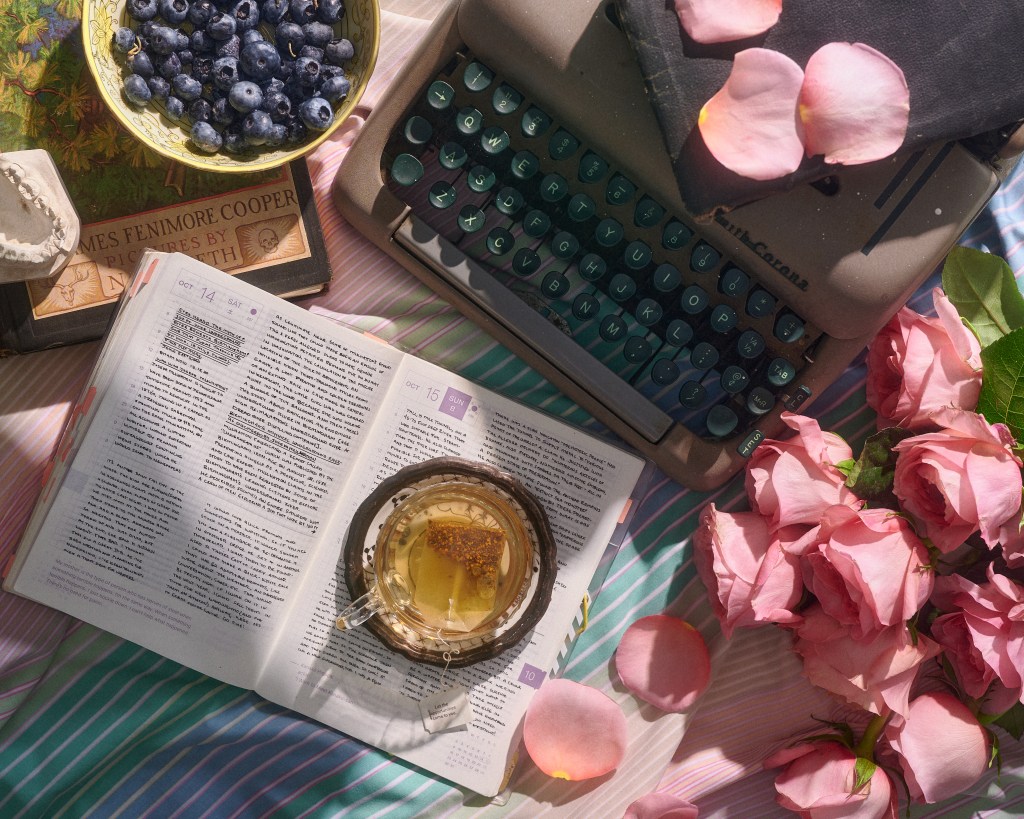
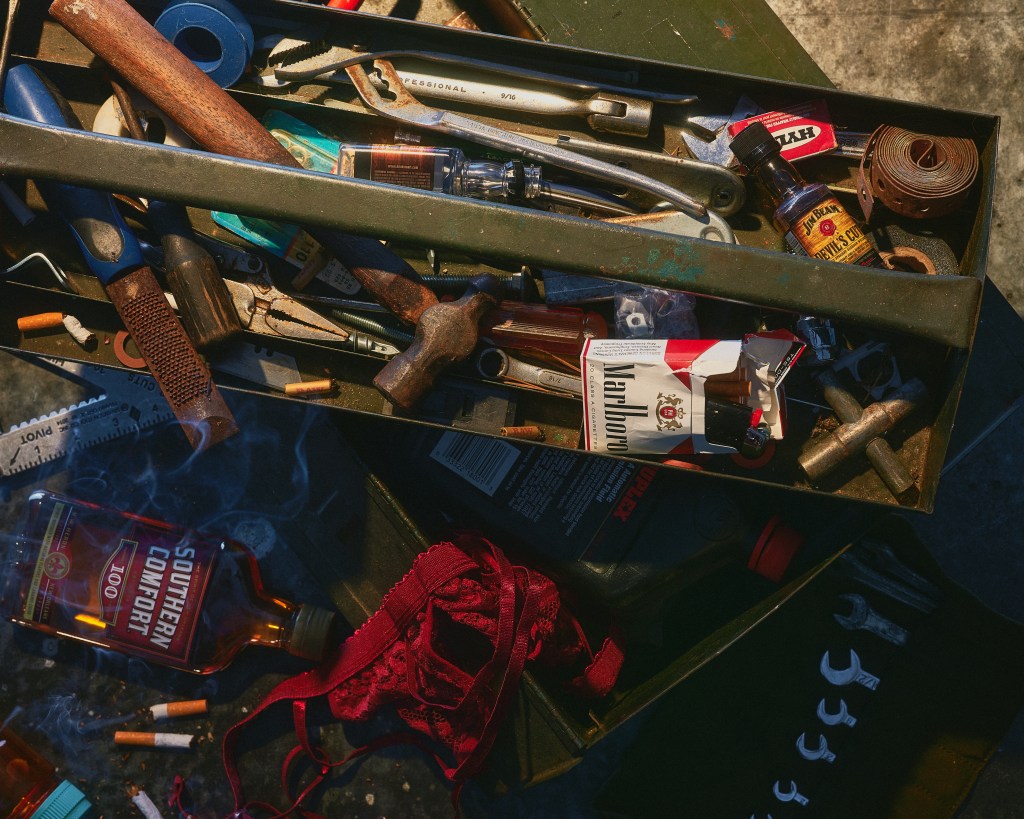
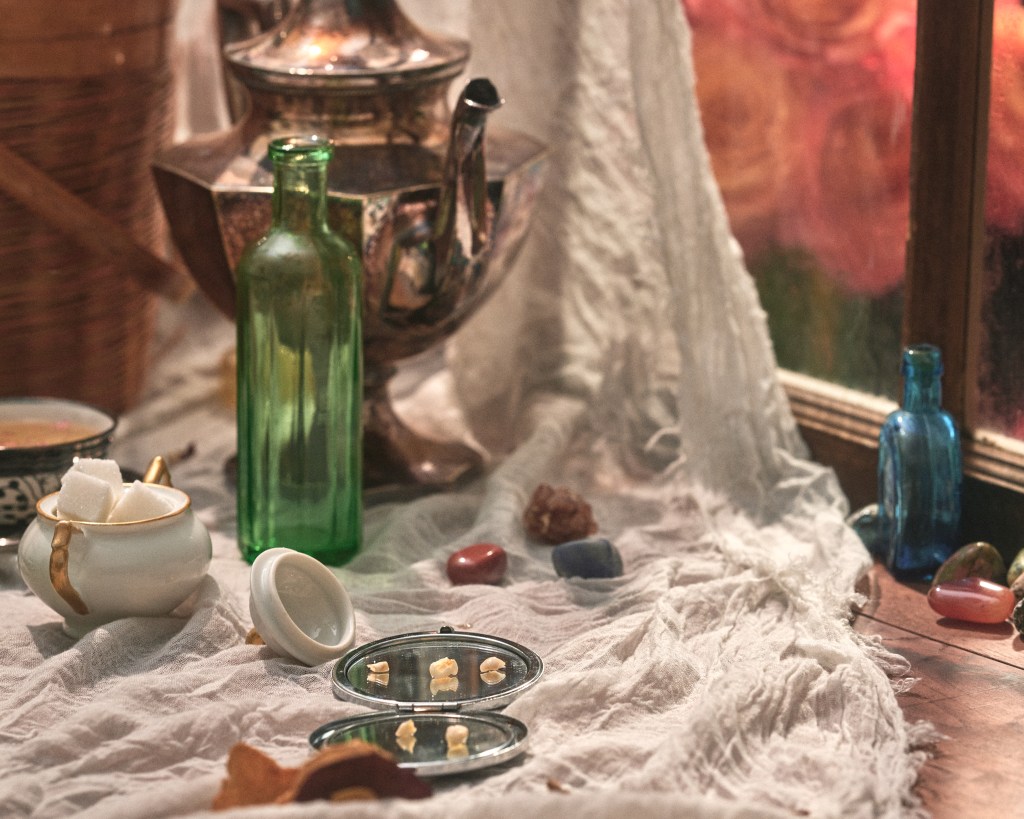
We had a blast with a character photoshoot for Pocket Full of Teeth that we did a few weeks ago. I really wanted the characters to feel like real, living people, so this was a great way to see these characters come to life.

First, Cat is the main character of the found memoir within the book. She returns home after the tragic death of her mother and finds that her childhood home is haunted. Cat attempts to work through grief, becoming an adult, and finding her own voice in a community that is laid with secrets and ghosts of its own. Here’s how the final shot came out.

Next, Mr. Johns is the town patriarch. He’s the guy that everyone knows and loves. His family helped establish the town, and through careful planning restoration, the once- flailing community has another chance at life. But as with all great figures, no one is perfect, and when his secrets are threatened to be revealed, he will do anything to keep them hidden. This was one of the hardest shoots to complete, but I think it came out well!

Then, we shot Liz. She is a breath of fresh air in the novel. She is the local cafe owner and artist who offers Cat a job and a chance at becoming a part of the community. Although Cat is often overcome by the loss of her mother, Liz inspires her to start writing again and trust that she really is deserving of love, no matter what has happened in the past. We had so much fun on this one.

Another fun character to capture was Ray. Disowned by the town patriarch at the age of eighteen, Ray has always had to look out for himself. He works as a handyman and is known for his partying and his charm. Although he loves Sarah, he can’t keep his wandering eye at bay, and soon, he realizes he’s in too deep to ever escape. I love how his photo came out and really think it captures him.

Then, we have Eddy. She is the main character of the novel and tells the entire story. She is being interviewed by police about a body that was found at the bottom of a well, and her locket was found nearby, connecting her to the scene. As she tells the police what happened, she talks about a haunted manuscript found at the back of her mom’s desk drawer. She reads the manuscript aloud and relates how the book’s ghosts began to make an appearance in her own life until that fateful night she found herself at the well. So creepy yet intriguing!

The last shoot of the day was Sarah. When unexplained noises and apparitions plague Cat as she returns home, they also lead her to something unexpected: her mother’s diary. Told from Sarah’s perspective, she outlines the events that led to her death. From falling hopelessly in love with Ray, Mr. Johns’ rebellious son, to struggling with Cat’s coming of age, Sarah’s tender words show the true depth and desolation that come with being a mother and being desperately in love with someone she’s always known was going to leave. When we finally got this shot, we were all in awe. So soft, feminine, sad, yet hopeful. What a great way to sum up the novel!

And here are a few bonus photos for Sarah!

I hope you enjoyed these photos. They were a blast to create.

You can grab your pre-order of Pocket Full of Teeth HERE. The official release date is Friday the 13th of September!

Five Reasons Why I Became a Writer

Bookshelf

I was an explorer from a young age. I collected stories and experiences the way other kids collected trading cards, and more often than not, you could find me playing with books and instead of Barbie dolls. Although I didn’t know I wanted to be a writer at an early age, the journey to this point has been fulfilling and full of surprises.

1. I Was an Avid Reader at an Early Age

From a young age, books were my constant companions. I devoured stories, losing myself in fantastical worlds and thrilling adventures. The magic of books was my introduction to the limitless possibilities of the imagination. Each page was a new adventure, and I couldn’t get enough.

If it hadn’t been for early reading programs like Book It and Reading Rainbow, I would not have falling in love with storytelling, and I’m so thankful to all the adults who fostered my early love of learning.

2. I’ve Always Loved Writing

My love for reading never waned as I grew older. It expanded into various genres and authors, from the spooky tales of R.L. Stine to the intricate worlds crafted by Stephen King. Reading became more than just a pastime; it was a source of inspiration and a way to explore different perspectives and ideas.

But soon, I found myself asking what would happen if the story unfolded differently. I invented new endings and wondered what would happen if characters from one book suddenly met the characters in another… and that’s how I knew that storytelling was my passion.

Reading Nook

3. I Love a Challenge

Writing presents a unique challenge that I find incredibly fulfilling. Crafting a story, developing characters, and weaving intricate plots requires not only creativity but also dedication and perseverance. Each writing project is a puzzle waiting to be solved, a mountain to be climbed. The journey is as rewarding as the destination.

Pocket Full of Teeth is not the first novel I’ve ever written. In fact, it’s the third. I still play with the second novel I wrote, but the first one will never see the light of day. Haha! I don’t, however, see it as a failure. My first novel taught me a lot about how to develop characters and plot their journey. Without that first “failure,” I never would have learned how to move forward and progress.

4. I Love Playing with Language

There’s a certain joy in the art of language. Playing with words, crafting sentences, and creating vivid imagery is a delight. Writing allows me to experiment with language, to bend and shape it to convey emotions, ideas, and stories in the most impactful way. It’s a creative playground where I can let my imagination run wild.

I absolutely love poetry, and often when I get stuck or just want to play with an idea, I try to think like a poet. When I described fireworks in Pocket Full of Teeth, for example, I used the term “colorful thunder.” The bright sparks, the booming that you can feel in your chest–these are all things that can bring those feeling to life with just a few simple words.

5. I Wanted to Connect with Others in Creative Ways

At its core, writing is about connection. It’s a way to share thoughts, experiences, and emotions with others. Through my stories, I hope to resonate with readers, to offer them a glimpse into different worlds, and perhaps even help them see their own lives in a new light. Writing is my way of reaching out, of building bridges between my experiences and the reader’s.

Connecting Through Writing

Takeaways

These five reasons are at the heart of why I became a writer. Each one has shaped my journey, fueling my passion and driving me to create. Writing is more than just a profession; it’s a calling, a way of life that brings me immense joy and fulfillment. Thank you for joining me on this journey, and I hope my stories inspire you as much as the stories I’ve read have inspired me.

-Aimee Hardy

My Journey into Writing

From Goosebumps to Southern Gothic

Books and Coffee

Hi, everyone! I’m not the greatest at keeping up here, but I’ve been asked a lot recently how I got into writing and storytelling. Honestly, when I was a kid, I was externally motivated. I am not ashamed to admit that I read for those free Pizza Hut coupons, but doing so, I discovered a love for many different types of books.

Goosebumps Books

I was also a Nickelodeon kid, obsessed with pranks, slime, and spooky stories. Naturally, I fell in love with Goosebumps books at an early age. When my mom went shopping each week, I’d beg her to just “walk” down the book aisle to see if R.L. Stine had anything new (and in the 90s, OF COURSE, he always had a new release).

Needless to say, I devoured each one (and yes, The Ghost Next Door changed my life—haha!). I then moved on to Fear Street, Christopher Pike, and finally, Stephen King. I remember reading It at thirteen or fourteen and being totally blown away by how real the characters were and how cool a villain could be. I mean, what better bad guy than fear itself? Reading more King, I loved the way he told stories but would often get frustrated because I had my own ideas about how his stories should end.

In high school and college, I read a LOT of classics and admired so many writers, but I often found it hard to know what I would have to add to the conversation.

Writing Desk

My journey to becoming a writer was not straightforward. I had periods where I had tons to say and then nothing at all for months. I’d have so many questions, but no answers would come through in my writing. As frustrating as that may be, I came to learn that those feelings and fluxes were all a part of the process. Writing is how we work out those hard questions. No, there isn’t a “correct” answer, and everyone’s process is different, but it’s the process—the dedication to writing and storytelling—that really matters. Writing a page a day (or even one sentence) is small, but day after day, it can add up to something big.

And I think we’re all storytellers in our own ways. We tell stories through art, writing, design, and film, but also through the connections between us: the conversations we have standing in line at the grocery store, the mother who holds hands with her child as they fall asleep, the dreams we have when it’s just us and no other interruptions.

Writing has been the constant in my life that has kept me grounded. When things feel out of control, there’s always a clean document. When I’m sad, the page is waiting. When I’m so happy I could burst, my joy dances on the page. After creating various works, I found my own voice. You can see my big influences (Ray Bradbury, Shirley Jackson, Mark Danielewski, etc.), but there’s also something else—something unique, something that’s just me—and there’s no greater joy than seeing it on the page and getting the opportunity to share that with others.

Notebook and Pen

Thank you for joining me on this journey. Whether you’re a fellow writer or just love a good story, I hope you find your own joy in the pages you create and the tales you tell.

-Aimee Hardy


Pocket Full of Teeth Announcement

I am so excited to announce that Pocket Full of Teeth has been accepted for publication in 2024 by Running Wild Press!

About the Book:

Pocket Full of Teeth is a Southern gothic about a girl growing up in a haunted house and her editor who uncovers even more ghosts within the book’s pages. More to come soon!

About the Publisher:

Running Wild Press grew out of a desire to share stories that break barriers. We believe that great stories don’t fit neatly in a box. Most stories available today are simply run-of-the-mill, unoriginal, and in the end, boring, which makes you feel tired and unheard. Our stories can’t be contained, neatly categorized, or homogenized; just like you.